

Blog
When to Rest: Recognizing Signs of Overuse in Pickleball and Taking Breaks

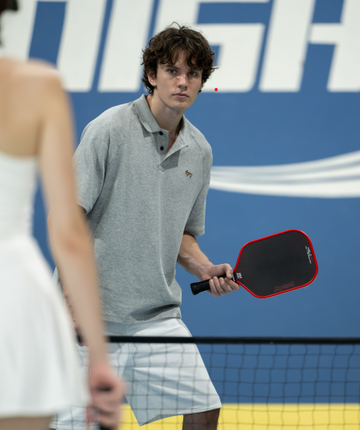
As pickleball continues to surge in popularity, more players are hitting the courts—and unfortunately, more players are also dealing with overuse injuries. Understanding when your body needs a rest is crucial for staying healthy and playing longer.
🔍 What Is an Overuse Injury?
Overuse injuries occur when repeated motions, insufficient recovery, or improper technique place cumulative strain on muscles, tendons, or joints over time. In pickleball, this often results from frequent serving, backhand flicks, lunges, and quick direction changes.
马萨诸塞综合医院布莱根+1
⚠️ Common Signs You Need to Rest
Here are key signs your body is asking for a break:
- Persistent pain in an area (elbow, shoulder, wrist, knee) that doesn’t go away after a match. For example, “pickleball elbow” (similar to tennis elbow) is a classic overuse injury. American Medical Association
- Swelling, stiffness or reduced range of motion in a joint. health.osu.edu+1
- Increasing soreness or fatigue that lasts more than “normal workout soreness”.
- You notice drops in performance, or your form degrades because your body is tired.
- Pain or discomfort that emerges between games rather than only during play.
- You have to stop mid-game because of aching muscles or joints.
🛑 Why Resting Matters
Ignoring early signs of overuse can lead to more serious injuries (tendon tears, chronic tendinitis, joint damage), longer downtime, and more cost in recovery. Doctors emphasise that rest is an essential part of prevention. 休斯敦卫理公会医院+1
Rest gives your muscles, tendons and joints time to repair, adapt and get stronger.
✅ When and How to Take Breaks
1. Scheduled Rest
Even if you feel fine, schedule at least one rest day per week. Many experts recommend avoiding every-day play to allow recovery. 加州大学戴维斯分校健康学院
2. Active Rest
On your off days from pickleball, do light movement: walking, cycling, stretching. This keeps circulation going without the high impact of match play.
3. Intensity Breaks
After a period of heavy activity (tournaments, multi-hour sessions), take a longer break (2-3 days) or reduce volume for a week.
4. Listen to Your Body
If you feel sharp pain, or worsening soreness, pause immediately. Don’t push through pain—especially chronic joint pain or tendinitis. American Medical Association+1
5. Recovery Practices
- Use the R.I.C.E method (Rest, Ice, Compression, Elevation) if you feel an early injury sign. 马萨诸塞综合医院布莱根
- Incorporate strengthening (especially shoulders, core, legs) and flexibility exercises to reduce risk. 加州大学戴维斯分校健康学院
- Make sure your gear fits you: correct paddle weight, proper grip, suitable shoes. Improper gear contributes to overuse. 马萨诸塞综合医院布莱根
🧠 Practical Checklist for Players
- Do I feel consistent pain somewhere lasting >2 games or >1-2 days?
- Have I played several days in a row without rest?
- Am I warming up/cooling down properly each session?
- Am I using correct technique and equipment (paddle weight, grip size, footwear)?
- Do I schedule rest days and listen to early signs of fatigue?
If you answered “Yes” to any of these, consider dialing back and giving your body a break.
🔮 Final Thoughts
Pickleball is fun, social and growing fast—but with growth comes responsibility. Taking breaks isn’t a sign of weakness—it’s smart playing.
By recognizing signs of overuse early and giving your body the rest it needs, you’ll not only avoid injuries but also enjoy better performance and longevity in the sport.

 Canada
 USA
USA Japan
Japan