

Blog
Pickleball Shots Explained: The Difference Between Dinking, Drops, Drives & More

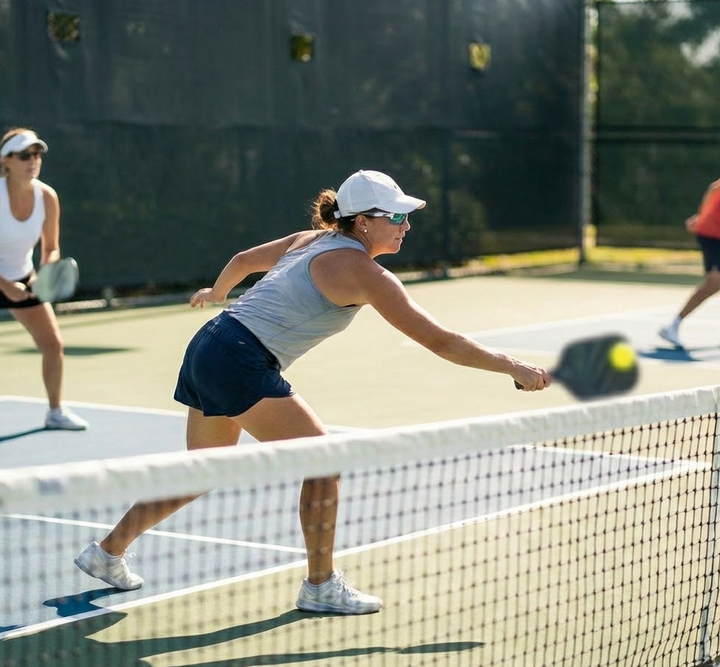
Pickleball has several unique shot types, and understanding them is key to improving your game. Two of the most talked-about are dinks and other power or transition shots—but what exactly makes them different? Here’s a simple breakdown of the main shots you’ll see on the court and how they connect to paddle performance.
🥒 1. Dinking — The Softest, Most Controlled Shot
A dink is a slow, soft shot hit from the kitchen area. It arcs just high enough to cross the net and lands in the opponent’s non-volley zone.
Why it matters
- Forces opponents to play low balls
- Neutralizes power hitters
- Sets up attack opportunities
Ideal paddle traits
- High control
- Soft touch / longer dwell time (pocketing)
- Raw carbon surface for grip and precision
- Mid-weight or lighter for quick kitchen hand battles
Players who rely on dinking often prefer 16mm+ paddles, softer cores (e.g., NeoFoam, GearFoam), and balanced swing weight.
🔽 2. Drop Shot — The Transition Control Shot
A drop shot is hit from mid-court or the baseline and lands softly in the kitchen. It’s designed to help you move forward to the NVZ safely.
What makes it different from a dink?
- Location: Drops are hit further back; dinks are hit at the kitchen.
- Purpose: Drops transition you to the net; dinks control the rally once you’re there.
- Difficulty: Drops require more touch and technique.
Ideal paddle traits
- Large sweet spot for forgiving contact
- Stable core to reduce vibration
- Excellent control-to-power balance
Players who rely on drops prefer paddles with high stability and even weight distribution.
💥 3. Drive — The Power Shot
A drive is a fast, aggressive groundstroke usually hit from baseline or mid-court.
Purpose
- Apply pressure
- Force a weak return
- Set up a put-away on the next shot
How it differs from dinking
A dink neutralizes power; a drive creates power.
A dink is strategic and patient; a drive is explosive and attacking.
Ideal paddle traits
- High power level
- Stiffer face for ball speed
- Heavier swing weight for momentum
- Raw carbon or hybrid face for spin generation
Power players often choose 14–16mm paddles with stiffer cores (e.g., GearCore, HollowTube frames).
🏓 4. Volley — Fast Hands at the Net
A volley is any shot hit before the ball bounces. Volleys dominate fast-paced exchanges at the kitchen line.
Ideal paddle traits
- Quick maneuverability
- Good twist weight for off-center hits
- Responsive feel for hand speed
Edgeless or aerodynamic paddles are often preferred by hand-battle specialists.
🎯 5. The Put-Away — Ending the Point
A put-away is a high, attackable ball you slam downward to finish the rally.
Ideal paddle traits
- Explosive rebound
- Strong core for stability
- Spin-friendly surface to create downward dip
Typically used by players who like power & spin combinations.
🛠️ What Different Shot Preferences Mean for Paddle Choice
| Player Type | Key Shots They Use | Recommended Paddle Traits |
|---|---|---|
| Soft Game / Control Player | Dinks, drops, resets | Thick core (16–20mm), softer foam, carbon surface, balanced handling |
| Power Attacker | Drives, put-aways, speed-ups | Stiff face, higher swing weight, hybrid/carbon surface |
| All-Court Player | Mix of soft + power | Mid-thickness core (14–16mm), blend of control & pop |
| Hands-Battle Specialist | Volleys, counters | Lightweight, aerodynamic, high twist weight |
✔️ Conclusion
Understanding the differences between dinks, drops, drives, and volleys helps players improve faster—and helps them choose the right paddle for their style. Whether you’re building a soft, controlled kitchen game or an explosive attacking strategy, matching your paddle to your shot preferences makes a dramatic difference in performance.

 Canada
 USA
USA Japan
Japan